
Ledger®® Live: Desktop® — Getting Started | official Ledger™
Keep your crypto accounts organized using Ledger Live Desktop with tools for asset tracking, balance reviews, portfolio monitoring, and activity.
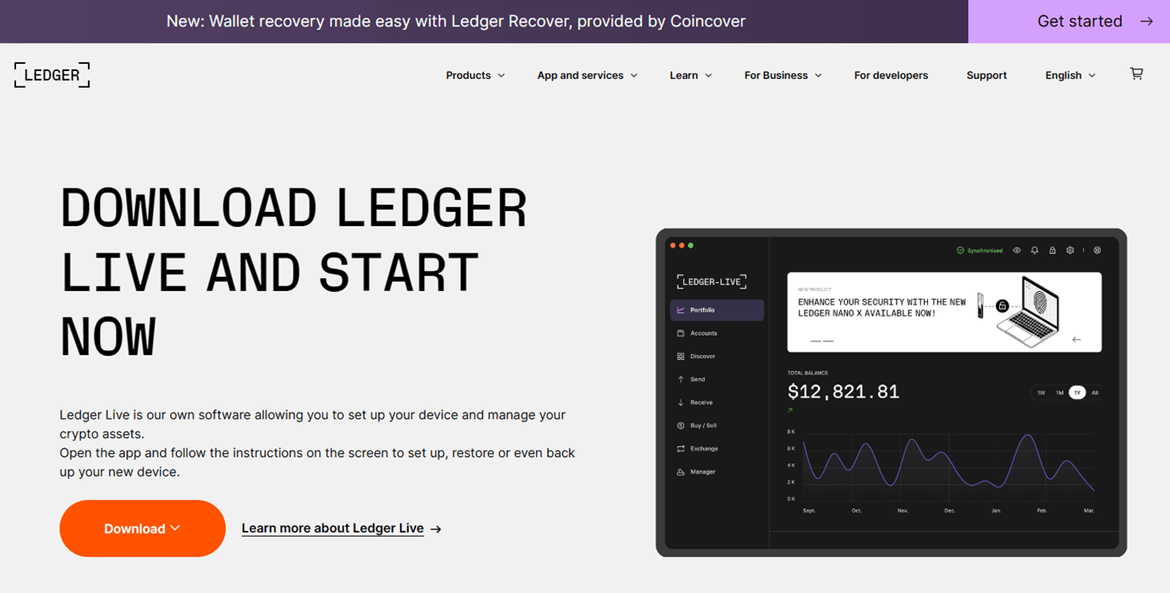
Ledger Live Desktop: How to Build a Long-Term Desktop Wallet Routine
Setting up a wallet is only the beginning of digital asset management. Over time, a consistent routine can help users keep their accounts organized, review activity more effectively, and approach transactions with greater care.
For people using Ledger Live Desktop, creating a repeatable desktop workflow can be more useful than trying to learn every feature at once.
Establish a Dedicated Wallet Routine
Start by deciding how and when you normally manage your wallet.
Using a familiar computer and following the same basic process each time can make unexpected changes easier to notice.
Your routine does not need to be complicated. Consistency is more important than having a long list of steps.
Keep the Computer Maintained
A desktop wallet depends on the environment in which it runs.
Keep your computer maintained and be cautious about installing unknown programs or browser extensions. Avoid using a computer that you do not trust for sensitive wallet operations.
Basic computer hygiene supports a more controlled wallet environment.
Check Software Sources
When installing or updating wallet software, verify the source before proceeding.
Avoid download links sent through unexpected emails, private messages, or social media conversations. A legitimate-looking page does not automatically mean that it is trustworthy.
Use official Ledger resources when looking for software or support information.
Organize Your Accounts
As your wallet activity grows, account organization becomes increasingly valuable.
Use account names or descriptions that help you understand their purpose. For example, you may want to distinguish between accounts based on how you personally use them.
Clear organization makes it easier to identify the correct account before a transaction.
Review Your Activity
Make transaction history part of your regular routine.
Periodically reviewing wallet activity can help you recognize transactions you expect and identify anything that requires further investigation.
If an unfamiliar transaction appears, avoid reacting to messages from strangers offering immediate assistance. Investigate through trusted channels instead.
Use a Pre-Transaction Pause
Before sending assets, create a short pause between entering transaction information and approving it.
Check the account, recipient, asset, amount, and network information.
Then review the details shown on your hardware wallet before authorizing the transaction.
Protect Recovery Information
Recovery information should remain private throughout the life of your wallet.
Do not store it in ordinary online notes or send it through messaging services. Never provide it to someone claiming to be technical support.
A long-term wallet routine should always include protection of this information.
Be Selective About Wallet Advice
Digital asset communities contain a large amount of advice, but not every recommendation is reliable.
Be cautious about instructions that encourage you to install unfamiliar software, connect your wallet to unknown websites, or reveal private information.
When in doubt, return to official documentation rather than following an anonymous instruction.
Review Updates Carefully
Software updates can be an ordinary part of maintaining a desktop application.
However, avoid installing an update from an unexpected pop-up, message, or third-party website.
Check for updates through the appropriate official source instead.
Keep Personal Records
Users who make frequent transactions may find it useful to maintain their own records.
A simple record can include dates, account names, transaction purposes, and other details that help with personal organization.
Keeping records separate from wallet recovery information can also help maintain better security boundaries.
Learn Gradually
You do not need to master everything immediately.
Begin with account management and receiving, then become comfortable with sending, transaction status, and other relevant functions.
Learning progressively can make the entire desktop experience less overwhelming.
Reassess Your Routine
Every few months, consider whether your wallet habits still make sense.
Check how you handle software downloads, account organization, transaction reviews, and support requests.
If you notice a weak point, improve that part of the routine rather than adding unnecessary complexity everywhere else.
Final Thoughts
Ledger Live Desktop can become easier to manage when it is supported by a consistent long-term routine. Use a trusted computer, obtain software from appropriate sources, organize accounts, review activity, verify transactions carefully, and protect recovery information.
The goal is not to create a complicated system. It is to develop simple habits that you can follow consistently whenever you manage your digital assets.
Updated about 5 hours ago