
Ledger®® Live: Desktop® — Getting Started | official Ledger™
Access your wallet on desktop with Ledger Live Desktop and explore features for account management, portfolio monitoring, asset reviews, and transfers.
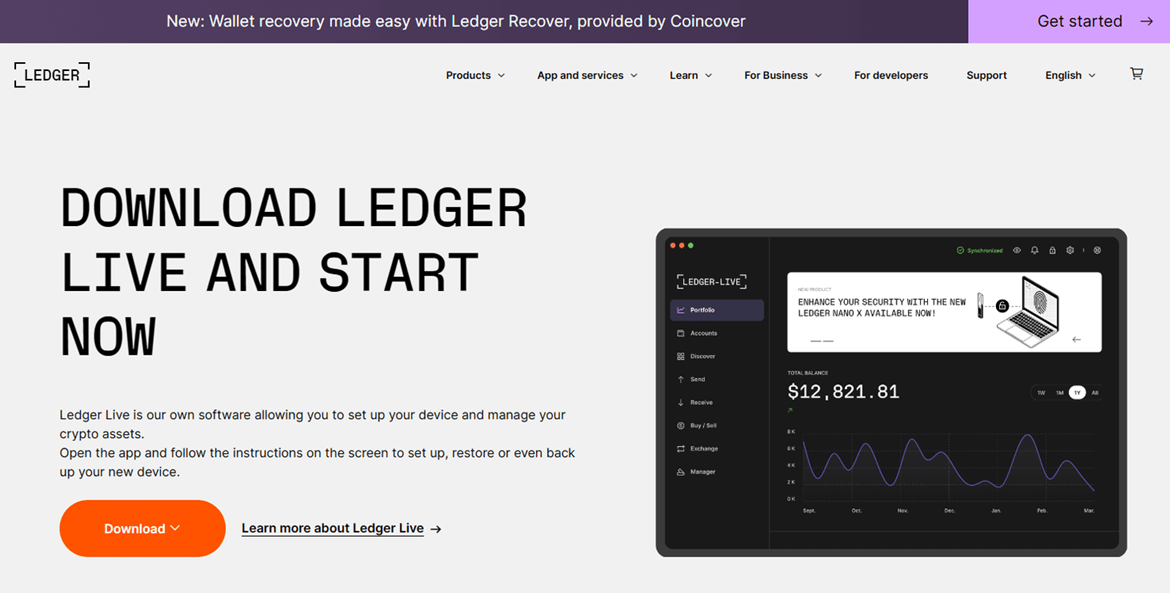
Ledger Live Desktop: Beginner Tips for a Clearer and Safer Desktop Wallet Experience
The first few sessions with a desktop wallet application can introduce many unfamiliar terms and options. New users may wonder where to find accounts, how transactions are confirmed, or what information should remain private.
Ledger Live Desktop can help provide a computer-based interface for supported Ledger wallet activities. Learning a few fundamental practices can make the desktop experience easier to understand.
Know Your Setup Before Opening the App
Begin by making sure you understand the equipment you are using.
Your Ledger hardware wallet and desktop software serve different purposes. The application provides a convenient interface, while the physical device plays an important role in authorization.
Knowing this relationship can make transaction prompts less confusing.
Use a Computer You Control
Choose a trusted computer for wallet management.
Avoid using computers in public locations or devices that you do not regularly control. Keep your operating system maintained and be cautious about unfamiliar applications.
A controlled computer environment is an important part of a responsible wallet routine.
Download From a Trusted Source
The application should be obtained from an official Ledger source.
Do not rely on software offered through random download pages or private messages. Criminals can create applications and websites that imitate legitimate wallet services.
Verify the source before installing or updating the application.
Explore the Main Functions
Before making a significant transfer, spend some time exploring the application.
Learn how to locate your accounts, view balances, and review transaction history.
Understanding the basic interface first can make later wallet operations less stressful.
Double-Check Your Account
If you manage multiple assets, selecting the correct account is important.
Before receiving or sending funds, check the account name and asset information displayed by the application.
Do not assume that the currently selected account is always the one you intended to use.
Verify Receiving Addresses
When receiving cryptocurrency, carefully review the address before sharing it.
Make sure the address belongs to the intended account and asset. If your hardware device provides a verification step, use it for important transactions.
An address should be treated as transaction information, not something to copy without checking.
Review Every Sending Request
Sending cryptocurrency requires deliberate attention.
Check the destination, amount, asset, network, and fee information. Then review the transaction details shown on the physical device.
If anything differs from what you expected, cancel the operation until you understand the difference.
Do Not Ignore the Hardware Confirmation
A desktop interface may make transactions feel similar to ordinary online payments, but cryptocurrency transfers require a different level of care.
When the Ledger device asks you to confirm a transaction, read the displayed information carefully.
Never approve an unfamiliar transaction simply because the desktop screen looks normal.
Understand Transaction Status
After submitting a transfer, check its status through the wallet interface.
A transaction can require time to be processed and confirmed by the relevant network. Avoid assuming that a temporary pending status means you should submit the transaction again.
If the status remains unclear, consult reliable documentation.
Keep Recovery Information Private
Recovery information should not be used as ordinary login information.
Never provide it to someone through chat, email, social media, or a support conversation. Do not enter it into websites that unexpectedly request it.
If someone asks for it to “verify” your wallet, stop and independently verify the request.
Watch for Fake Support
Fraudulent support accounts can appear convincing.
Be careful if someone offers to fix your wallet through remote computer access or asks you to install special software.
Instead, find official support information yourself and follow the relevant guidance.
Maintain a Simple Routine
Once you understand the basics, use a repeatable process.
Open trusted software, connect your hardware wallet, select the correct account, review transaction details, confirm information on the device, and check the resulting activity.
Consistency can help reduce avoidable errors.
Final Thoughts
Ledger Live Desktop can provide a useful desktop environment for users managing supported digital assets with a Ledger hardware wallet. A good beginner experience starts with trusted software and continues with account organization, address verification, careful transaction approval, and protection of private recovery information.
Learn the interface gradually, verify important details every time, and treat unexpected requests with caution.
Updated about 5 hours ago